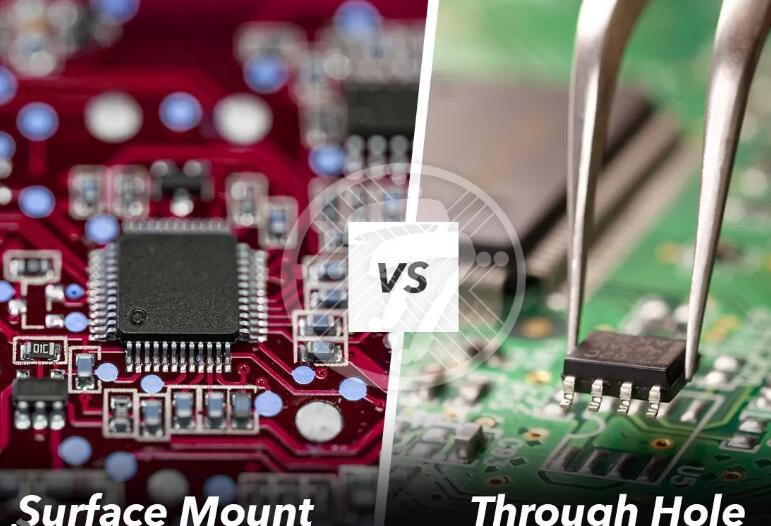
What Is the Difference Between THT and SMT Circuit Diagram Instead, surface mount components are soldered onto pads on the surface of the board. These surface mount components, known as Surface Mount Devices (SMDs), come in a variety of shapes and sizes, but they are generally much smaller than their through-hole counterparts. The SMT process begins with the application of solder paste to the PCB.

There are two leading methods for assembling a board — surface mount technology vs. through-hole technology. Overview of the PCB Assembly Process. The most commonly cited example of thru-hole mounting process benefits is the fact that thru-hole mounted components offer enhanced reliability. Because the leads go all the way through the Surface Mount Technology (SMT) represents a paradigm shift in electronics assembly, enabling the direct placement of components onto the surface of printed circuit boards (PCBs). This method diverged from the traditional through-hole technique by eliminating the need for wire leads to pass through the PCB.
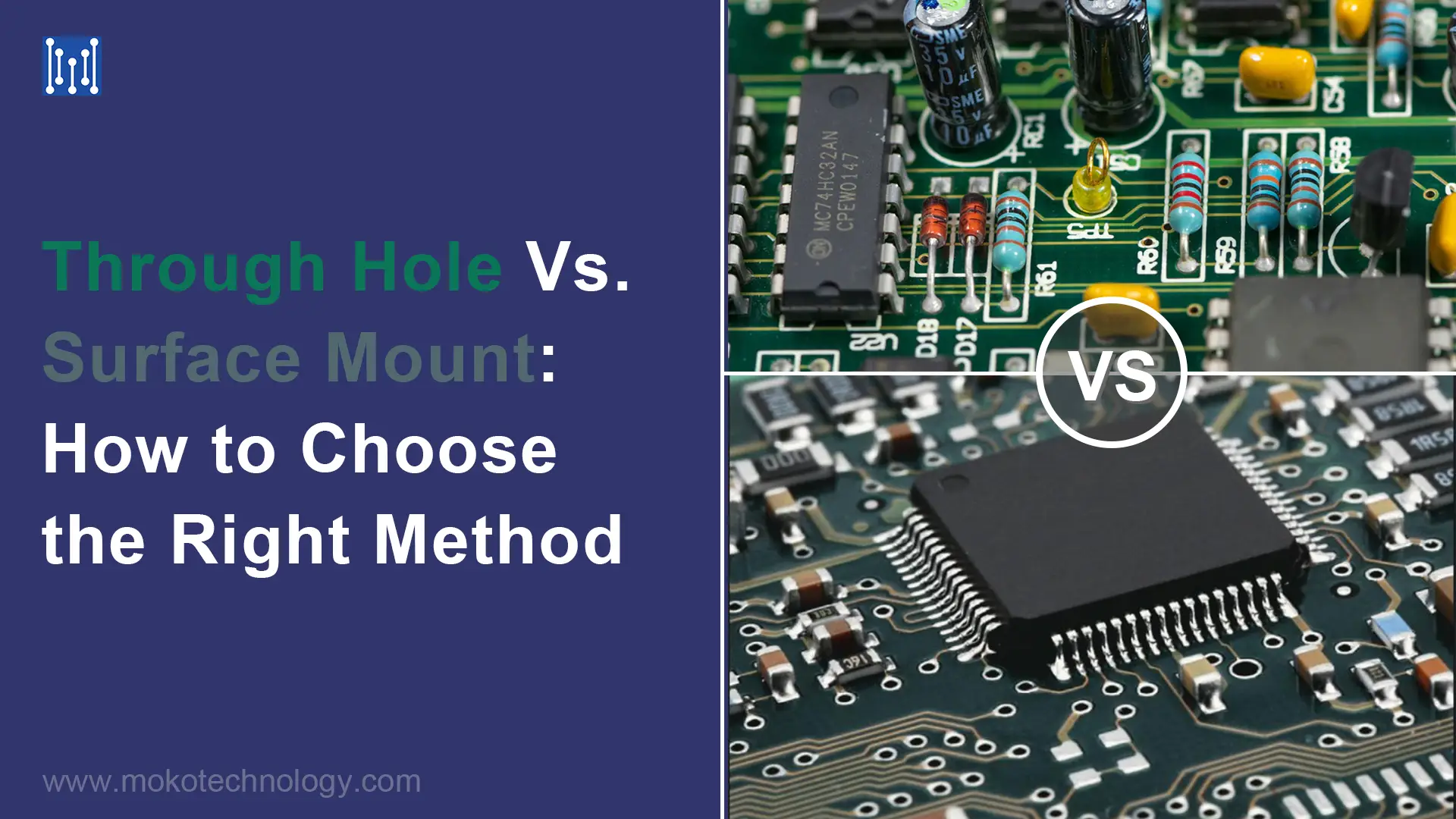
Through Hole vs Surface Mount: Which Should You Use? Circuit Diagram
Surface Mount Components: SMT components are generally less adept at handling extreme environmental conditions due to their surface-only solder connections. 3. Industry Applications Through-Hole Components: Through-hole technology finds its niche in high-reliability industries like military and aerospace. These sectors require components that
The choice between Surface Mount Technology and Through Hole Technology is pivotal in electronics manufacturing. Each method offers distinct advantages and is suited for different applications. By understanding the key differences and evaluating your specific needs, you can optimize your manufacturing process and achieve superior results.

Through Hole vs Surface Mount: Unveiling the Optimal PCB ... Circuit Diagram
Through-hole component leads, which run through the board and connect a board's layers, have been replaced by "vias" -- small components which allow a conductive connection between the different layers of a PCB, and which essentially act as through-hole leads. Some surface mount components like BGAs are higher performing components with